How Disposable Bamboo Chopsticks Are Made: Inside the Manufacturing Process from Bamboo Forest to Dining Table
As restaurants, food distributors, catering companies, and eco-conscious brands continue searching for sustainable alternatives to plastic tableware, disposable bamboo chopsticks have become one of the most popular choices worldwide. Lightweight, durable, biodegradable, and made from renewable resources, bamboo chopsticks offer an environmentally responsible solution without sacrificing functionality.
But have you ever wondered how disposable bamboo chopsticks are made?
Understanding the manufacturing process can help importers, wholesalers, and foodservice businesses choose a reliable supplier that prioritizes quality, food safety, and sustainability. In this article, we'll take a closer look at the complete production journey of disposable bamboo chopsticks and explain why partnering directly with an experienced manufacturer can create significant advantages for your business.
Why Bamboo Is the Preferred Material for Disposable Chopsticks
Before discussing the manufacturing process, it's important to understand why bamboo has become the material of choice for disposable chopsticks.
Unlike traditional wood, bamboo grows extremely quickly and can be harvested within a few years while naturally regenerating from its root system. This makes bamboo one of the world's most renewable raw materials. Industry manufacturers commonly use mature bamboo because of its strength, durability, and sustainability benefits.
Additional advantages include:
- Naturally strong and lightweight
- Smooth texture and comfortable grip
- Biodegradable and compostable
- Renewable and sustainable resource
- Attractive natural appearance
- Suitable for food-contact applications
These benefits have made disposable bamboo chopsticks a preferred choice for restaurants, takeout businesses, supermarkets, catering companies, and food distributors around the world.
Step 1: Selecting High-Quality Bamboo
The manufacturing process begins with careful bamboo selection.
Not all bamboo is suitable for chopstick production. Manufacturers typically choose mature bamboo that offers the ideal balance of strength, flexibility, and fiber density. Bamboo must be harvested at the correct age to ensure the finished chopsticks maintain their durability during use.
At Leafyest, raw material quality is considered the foundation of product quality. Only carefully selected bamboo is used to ensure consistency across every production batch.
Step 2: Cutting and Splitting the Bamboo
Once harvested, bamboo stalks are transported to the factory for initial processing.
The bamboo is:
- Cleaned and inspected
- Cut into manageable sections
- Split into smaller strips
- Sorted according to size and quality
Modern manufacturing equipment helps maintain dimensional accuracy while maximizing raw material utilization.
At this stage, strict quality inspections remove any sections containing cracks, discoloration, or imperfections.
Step 3: Drying and Moisture Control
One of the most critical stages in bamboo chopstick manufacturing is moisture management.
Fresh bamboo contains a significant amount of natural moisture. If moisture levels are not properly controlled, the finished chopsticks may warp, crack, or develop mold during storage and transportation.
To prevent these issues, bamboo strips undergo controlled drying processes designed to stabilize moisture content and improve product durability. Proper drying also helps maintain dimensional consistency throughout production.
For export-oriented manufacturers, moisture control is especially important because products may travel long distances through varying climate conditions before reaching customers.
Step 4: Precision Shaping and Forming
After drying, bamboo strips move into the shaping stage.
Specialized machinery transforms the raw bamboo into chopstick blanks with precise dimensions.
Depending on customer requirements, manufacturers can produce:
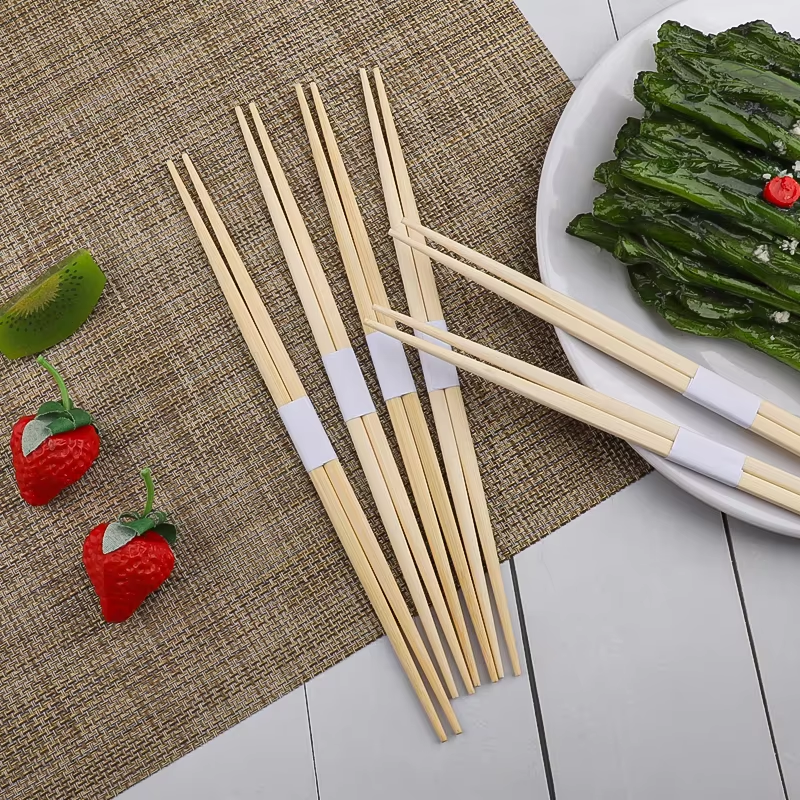
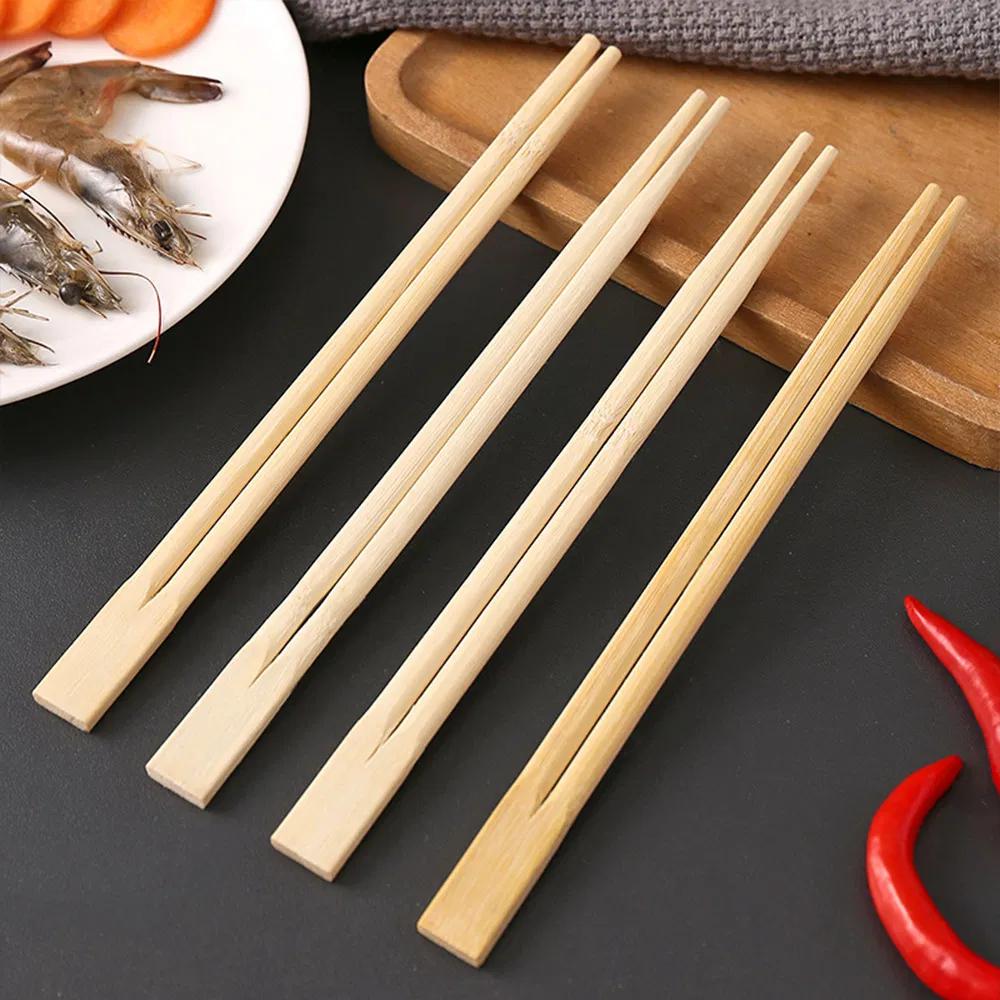
- Bamboo twin chopsticks
- Bamboo round chopsticks
- Tensoge bamboo chopsticks
- Customized chopstick styles
The shaping process determines:
- Length
- Diameter
- Tip design
- Surface consistency
- User comfort
Precision manufacturing ensures each pair delivers a uniform dining experience.
Step 5: Polishing for a Smooth Finish
Freshly machined bamboo surfaces can contain rough edges or microscopic splinters.
To create a safe and comfortable product, chopsticks undergo multiple polishing stages. Manufacturers use specialized finishing processes that smooth the surface and improve appearance while maintaining the natural texture of bamboo.
The result is a chopstick that:
- Feels comfortable in hand
- Provides excellent grip
- Prevents splintering
- Enhances customer satisfaction
This step is particularly important for restaurants and foodservice operators seeking a premium dining presentation.
Step 6: Food-Safe Sterilization and Hygiene Control
Food safety is a major concern for buyers worldwide.
Professional manufacturers implement sterilization procedures designed to reduce microbial contamination and maintain hygienic standards before packaging. Industry practices commonly include heat treatment, steam treatment, or other food-safe sterilization methods.
At Leafyest, manufacturing operations are supported by recognized quality and safety systems. The company offers products manufactured according to internationally recognized standards and certifications, helping customers meet food-contact compliance requirements in global markets.
Step 7: Quality Inspection
Before packaging, every production batch undergoes quality inspection.
Inspection criteria typically include:
- Product dimensions
- Surface smoothness
- Structural integrity
- Moisture content
- Appearance consistency
- Packaging quality
This quality control process helps ensure that wholesalers and distributors receive reliable products that meet customer expectations.
Consistent quality is particularly important for restaurant chains, importers, and private-label brands that depend on repeat customer satisfaction.
Step 8: Packaging and Custom Branding
Once approved, chopsticks proceed to final packaging.
Manufacturers can offer multiple packaging formats, including:
- Individually wrapped chopsticks
- Paper sleeve packaging
- Bulk packaging
- Retail packaging
- Private-label packaging
- Customized logo printing
Custom packaging allows restaurants and brands to strengthen their visual identity while providing customers with a professional dining experience.
Leafyest supports OEM and ODM customization services, helping distributors, wholesalers, and food brands create packaging solutions tailored to their market requirements.
Why Buy Disposable Bamboo Chopsticks Directly from a Manufacturer?
When sourcing disposable bamboo chopsticks, buyers often have the option of purchasing through trading companies, distributors, or directly from manufacturers. While intermediaries can sometimes simplify the procurement process, partnering directly with an experienced manufacturer offers significant advantages in terms of cost, quality, customization, and supply chain reliability.
For importers, wholesalers, restaurant chains, foodservice distributors, and private-label brands, establishing a direct relationship with a factory can create long-term value and a stronger competitive position in the market.
Better Pricing and Cost Efficiency
One of the most obvious benefits of buying directly from a manufacturer is cost savings. Trading companies and intermediaries typically add additional markups to cover their operating costs and profit margins. By purchasing directly from the factory, buyers eliminate these extra layers within the supply chain.
Factory-direct sourcing often provides:
More competitive wholesale pricing
Better profit margins for distributors and retailers
Lower costs for large-volume purchases
Greater flexibility during price negotiations
Direct access to promotional or volume-based discounts
For businesses operating in highly competitive markets, even small cost reductions can significantly improve profitability over time.
More Stable Product Quality
Consistency is critical when sourcing disposable tableware, especially for restaurant chains and foodservice businesses that rely on a uniform customer experience.
Manufacturers have direct control over every stage of production, including:
Raw material selection and sourcing
Bamboo processing and drying
Production and shaping procedures
Sterilization and hygiene management
Quality inspection standards
Packaging and shipping preparation
Because the factory oversees the entire manufacturing process, quality standards can be monitored and maintained more effectively. This reduces the risk of receiving products with inconsistent dimensions, rough surfaces, moisture issues, or packaging defects.
Working directly with a manufacturer also allows buyers to communicate quality requirements more clearly and receive faster feedback when adjustments are needed.
Greater Customization Capabilities
As consumer expectations and brand competition continue to grow, many businesses require customized products that stand out from standard market offerings.
Direct manufacturers are typically able to provide a wide range of customization options, including:
Custom chopstick lengths and diameters
Different chopstick styles and tip designs
Individually wrapped or bulk packaging options
Custom paper sleeves and printed logos
Private-label packaging
OEM manufacturing services
ODM product development support
Instead of choosing from limited stock products, buyers can develop packaging and product specifications that align with their brand identity and target market requirements.
This is particularly valuable for restaurant chains, supermarket brands, catering suppliers, and importers looking to build a distinctive product portfolio.
Reliable Supply Capacity and Production Planning
Supply reliability has become increasingly important in today's global marketplace. Delays, shortages, and inconsistent inventory levels can disrupt operations and negatively impact customer satisfaction.
Large-scale manufacturers are generally better equipped to support:
Long-term supply agreements
High-volume orders
Seasonal demand fluctuations
Multi-container shipments
International export requirements
Ongoing replenishment programs
Because manufacturers manage their own production schedules and raw material procurement, they often have greater visibility into capacity planning and delivery timelines. This helps buyers secure a stable supply of products even during periods of increased market demand.
Faster Communication and Technical Support
Working directly with the factory eliminates communication barriers that can arise when multiple intermediaries are involved. Buyers can discuss product specifications, packaging requirements, production schedules, and quality standards directly with the manufacturing team.
This direct communication often results in:
Faster response times
More accurate order execution
Quicker problem resolution
Better technical support
Improved product development collaboration
For customized projects, direct factory communication can significantly reduce development time and improve overall project efficiency.
Building a Long-Term Strategic Partnership
Beyond pricing and product supply, a direct manufacturer relationship can evolve into a long-term strategic partnership. Experienced manufacturers understand market trends, production innovations, sustainability requirements, and regulatory changes that may affect their customers' businesses.
As your business grows, a reliable manufacturing partner can help support:
New product launches
Brand expansion initiatives
Sustainable packaging projects
Market-specific customization
Supply chain optimization
This collaborative approach creates mutual growth opportunities and strengthens long-term business success.
Why Many Global Buyers Choose Leafyest
As a professional manufacturer of disposable bamboo chopsticks and eco-friendly tableware, Leafyest provides factory-direct solutions designed to meet the needs of wholesalers, distributors, importers, foodservice operators, and private-label brands worldwide.
With extensive manufacturing experience, strict quality control procedures, sustainable raw material sourcing, and flexible OEM/ODM services, Leafyest helps customers secure reliable supplies of high-quality disposable bamboo chopsticks while maintaining competitive costs and consistent product performance.
Whether you require bulk wholesale orders, custom packaging, private-label solutions, or long-term supply support, our team is ready to help you develop the right solution for your business.
Conclusion
The production of disposable bamboo chopsticks involves much more than simply cutting bamboo into small pieces. Every stage—from raw material selection and moisture control to polishing, sterilization, inspection, and packaging—plays an important role in delivering a safe, durable, and environmentally responsible product.
For wholesalers, importers, distributors, and foodservice businesses, choosing the right manufacturing partner is just as important as choosing the right product.
By working directly with an experienced manufacturer like Leafyest, buyers can benefit from factory-direct pricing, consistent quality, sustainable sourcing, customization options, and dependable supply capacity.
If you're looking for a trusted wholesale disposable bamboo chopsticks manufacturer, Leafyest can help you develop high-quality, eco-friendly solutions tailored to your business needs.
Explore our bamboo chopstick product range or contact our team today to request samples and discuss your OEM or private-label requirements.
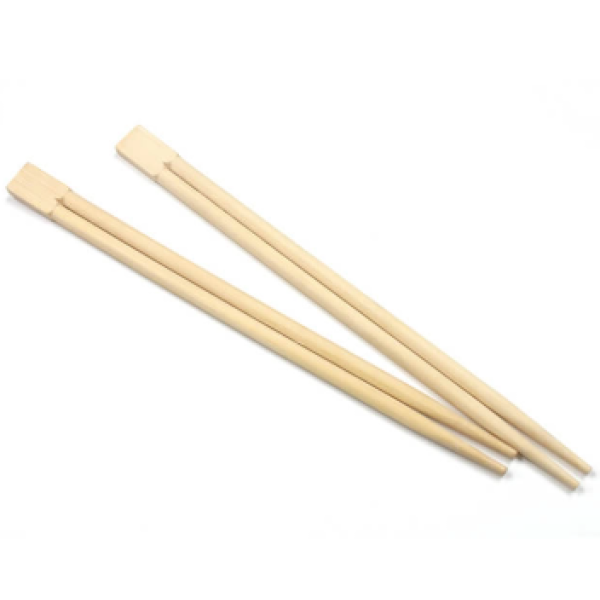
Eco-friendly bamboo twin chopsticks biodegradable, perfect for restaurants, takeout, and eco-conscious dining experiences.
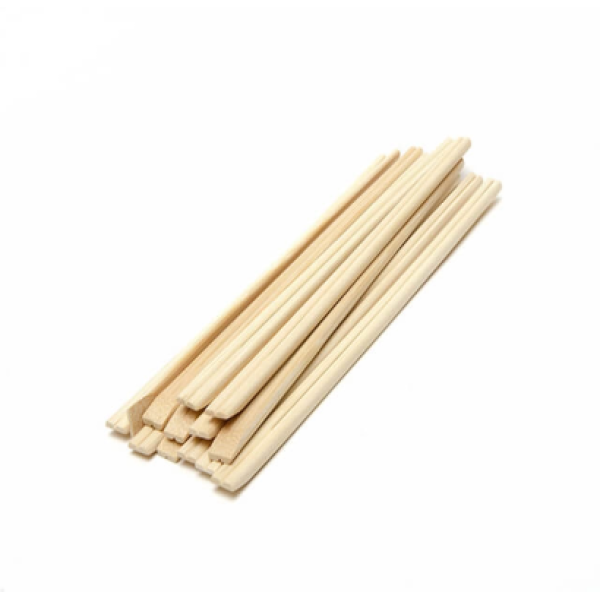
Eco-friendly bamboo tensoge chopsticks 100% biodegradable, perfect for restaurants, takeout, eco-conscious dining experiences.
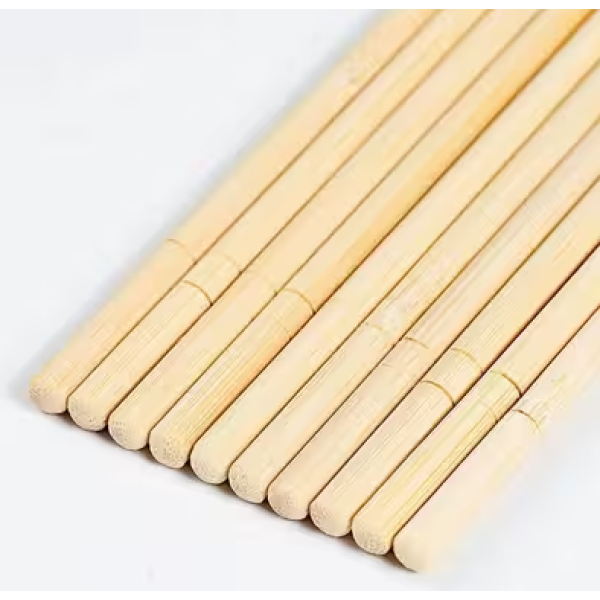
Eco-friendly bamboo chopsticks 100% biodegradable, perfect for restaurants, takeout, and eco-conscious dining experiences.
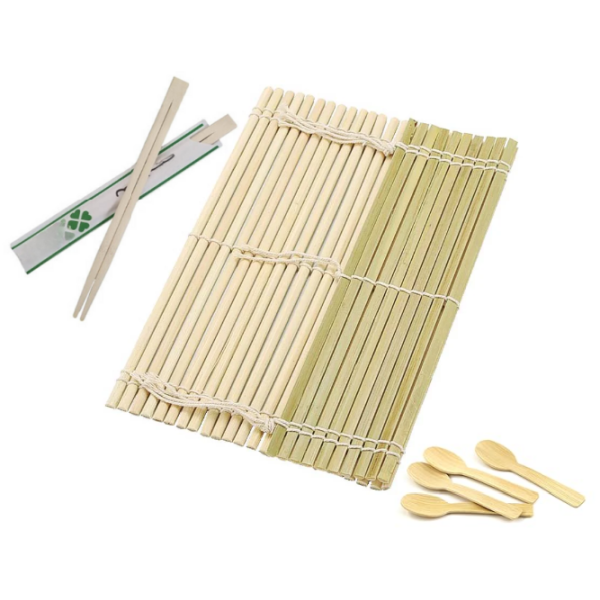
Natural bamboo sushi rolling mat durable, flexible, fit for pro & home use. Matches bamboo chopsticks ,cutlery for one-stop.