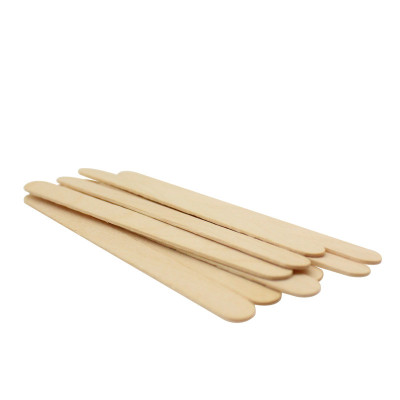
The Impact of Disposable Bamboo Coffee Stirrers on Your Company's Green Certification
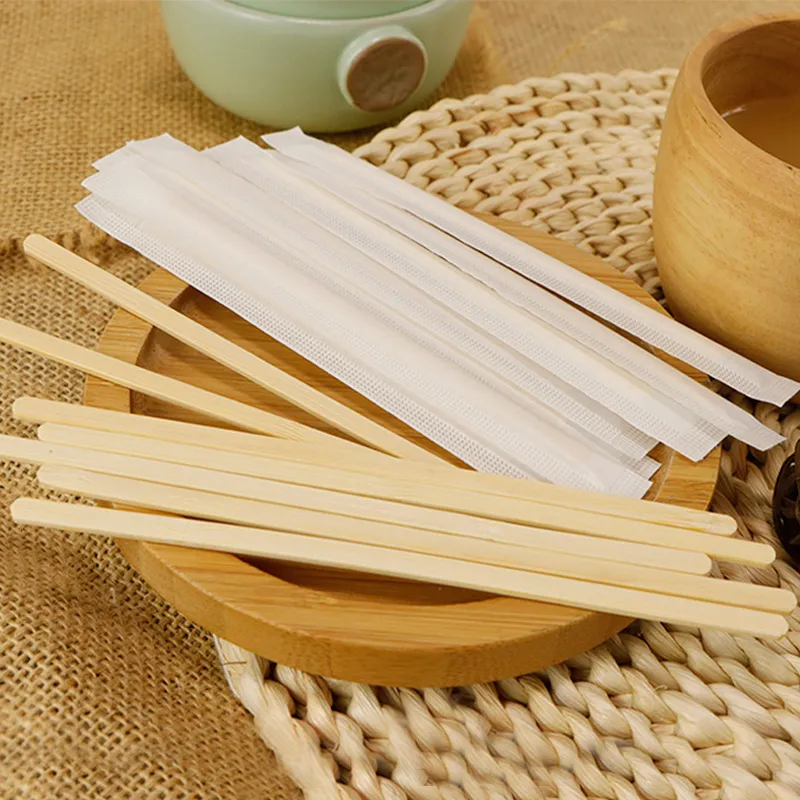
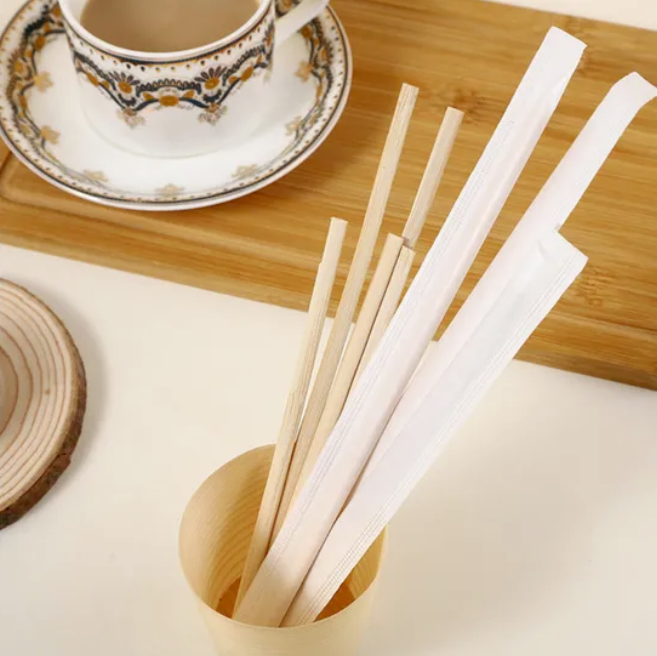
In today's increasingly eco-conscious market, sustainable practices are no longer optional; they are a prerequisite for businesses seeking green certification and striving to cultivate a positive brand image. Among the myriad of eco-innovations available, disposable bamboo coffee stirrers have emerged as a transformative product for the hospitality, food service, and retail sectors. As a leading supplier of eco-friendly stirrers—such as those offered by Leafyest—we fully appreciate the profound impact these items have on sustainability efforts and the green certification process. This article delves into how disposable bamboo coffee stirrers can influence your company's environmental credentials, compliance with green standards, and overall sustainability strategy.
Green Certification and Its Importance to Modern Businesses
Green certification serves as a testament to a company's commitment to sustainability, environmental stewardship, and ethical sourcing. Certifications such as LEED (Leadership in Energy and Environmental Design), B Corp, ISO 14001, and Green Seal act as benchmarks for environmental management. Attaining these certifications can significantly enhance brand reputation, attract eco-conscious consumers, and often yield operational benefits—including cost savings and regulatory advantages.
However, securing green certification requires meticulous documentation of sustainable practices, waste reduction efforts, responsible sourcing, and the utilization of eco-friendly products. A critical component of this process is material selection, which necessitates a careful assessment of the environmental impact of every product—including disposable items like coffee stirrers.
The Environmental Impact of Traditional Plastic Coffee Stirrers
Due to their affordability, convenience, and durability, traditional plastic coffee stirrers have long been a staple in coffee shops, offices, restaurants, and other food service establishments. Their lightweight design and low manufacturing costs have made them an ideal choice for businesses with high-volume beverage service operations. However, as environmental awareness grows, the ecological footprint of these single-use plastic products is drawing increasing scrutiny.
Non-Biodegradability:
Most plastic coffee stirrers are manufactured from petroleum-based plastics, such as polystyrene or polypropylene. These materials are non-biodegradable and can persist in the environment for hundreds of years. Rather than naturally decomposing, they gradually break down into smaller plastic fragments and microplastics—substances that accumulate within soil and aquatic ecosystems, causing long-term pollution.
Marine Pollution:
Given their small size and light weight, plastic stirrers are easily carried by wind or water into drainage systems, rivers, and oceans. Once they enter the marine environment, they pose a serious threat to wildlife. Marine animals may mistake plastic fragments for food or become entangled in plastic debris, leading to injury, digestive tract blockage, or even death.
Resource-Intensive Production:
The production of plastic stirrers requires the extraction and processing of fossil fuels, such as oil and natural gas. These processes consume vast amounts of energy and release greenhouse gases during both production and transportation. Billions of single-use stirrers are produced globally each year, resulting in a cumulative environmental footprint that is substantial.
Waste Management Challenges:
While plastic is often associated with recycling, small, single-use items like coffee stirrers are rarely recycled in practice. Their diminutive size makes them difficult for sorting equipment to process, and contamination from food or beverage residues further complicates the recycling process. Consequently, most plastic stirrers end up in landfills, incinerators, or are discarded into the natural environment, thereby exacerbating the growing global plastic waste crisis.
These environmental issues conflict with modern sustainability initiatives. Continued reliance on traditional plastic stirrers undermines corporate environmental goals and may negatively impact a company's ability to meet the requirements of green certification programs. As businesses increasingly prioritize sustainable operations, replacing plastic stirrers with eco-friendly alternatives has become a crucial step toward minimizing environmental impact and supporting long-term sustainability objectives.
Why Single-Use Bamboo Coffee Stirrers Are a Sustainable Choice
Single-use bamboo coffee stirrers represent an ideal alternative that aligns with green certification standards. Their environmental benefits are evident in several key areas:
Biodegradability and Compostability
Bamboo is a rapidly renewable resource that naturally decomposes within a few months under composting conditions. Unlike plastic, bamboo stirrers:
• Decompose naturally without releasing harmful microplastics.
• Alleviate the burden on landfills by contributing to compostable waste streams.
• Support organic waste management practices, which are essential for ecological certification.
Renewable and Rapidly Growing Material
Bamboo possesses an exceptionally short growth cycle—some varieties reach maturity in just 3 to 5 years—making it an excellent sustainable resource. The cultivation of bamboo requires minimal pesticides and fertilizers, further enhancing its eco-friendly credentials.
Reduced Carbon Footprint
Bamboo's capacity for carbon sequestration exceeds that of many other crops. Bamboo cultivation absorbs significant amounts of carbon dioxide, and—compared to plastic production—the processing of bamboo requires substantially less energy.
Minimal Chemical Treatment
The production of high-quality bamboo stirrers involves minimal chemical processing steps, thereby avoiding the use of toxic substances that could compromise environmental standards or endanger human health.
Free from Harmful Microplastics
Utilizing bamboo eliminates the risk of microplastic contamination—a critical factor for eco-conscious businesses seeking green certification.
How Disposable Bamboo Coffee Stirrers Help Achieve Green Certification Goals
Incorporating disposable bamboo coffee stirrers into daily operations can significantly assist businesses in achieving their green certification objectives. Many sustainability standards evaluate material usage, waste management, and supply chain accountability; consequently, switching from plastic to bamboo stirrers directly addresses these requirements while simultaneously demonstrating a company's commitment to eco-friendly practices.
Compliance with Waste Reduction and Management Standards
Many green certification programs emphasize waste reduction, responsible disposal, and improved waste management systems. As bamboo stirrers are biodegradable and compostable, they decompose naturally without leaving harmful residues in the environment. This not only facilitates easier waste sorting and disposal for businesses but also supports composting initiatives. By replacing non-biodegradable plastic stirrers with bamboo alternatives, companies can significantly reduce long-term waste accumulation and demonstrate measurable progress toward the waste reduction targets mandated by numerous certification frameworks.
Compliance with Sustainable Sourcing Standards
Sustainable sourcing is a pivotal component of most environmental certification programs. Businesses are typically required to demonstrate that the materials they utilize are derived from responsibly managed resources. Bamboo stands as one of the most renewable natural materials available, characterized by its rapid growth rate and minimal requirements for agricultural inputs (such as fertilizers or pesticides). Leafyest’s bamboo stirrers are sourced from ethically managed plantations and manufactured using responsible production methods, thereby assisting businesses in meeting requirements for supply chain transparency and sustainable sourcing.
Supporting Carbon Neutrality Goals
Reducing carbon emissions constitutes another key priority within green certification initiatives. Throughout its growth cycle, bamboo absorbs substantial quantities of carbon dioxide, thereby making a positive contribution toward carbon emission reduction. Furthermore, compared to petroleum-based plastics, the production of bamboo-based products typically requires significantly less energy. By incorporating bamboo stirrers into their operations, businesses can help reduce their overall carbon footprint and better align with the carbon neutrality and climate responsibility goals advocated by many sustainability programs.
Enhance Your Eco-Friendly Brand Image
Green certifications typically evaluate not only operational practices but also a company's commitment to environmental responsibility. Using eco-friendly disposable products—such as bamboo stirrers—serves as a tangible demonstration of a company's dedication to sustainability. This simple change can bolster a brand's eco-friendly image, attract environmentally conscious consumers, and signal to certifying bodies that the business has actively integrated sustainable practices into its daily operations.
Comply with Global Plastic Reduction Policies
Governments and municipalities worldwide are enacting regulations to restrict or ban the use of single-use plastic products. As these policies expand, businesses that continue to rely on plastic stirrers may face compliance challenges. Switching to bamboo stirrers ensures compliance with plastic reduction regulations while simultaneously demonstrating a proactive approach to environmental stewardship—a critical factor in many green certification assessments.
By adopting disposable bamboo coffee stirrers, businesses can make a small yet impactful operational change that supports multiple facets of green certification, including sustainable sourcing, waste reduction, carbon management, and regulatory compliance.
Integrate Bamboo Coffee Stirrers into Your Sustainability Strategy
To maximize the benefits of using bamboo stirrers in achieving your green certification goals, consider the following implementation strategies:
Supplier Selection and Certification
Choose suppliers—such as Leafyest—that adhere to sustainable harvesting practices and ethical production methods. Verify that they hold FSC (Forest Stewardship Council) or equivalent certifications.
Employee Training and Operational Integration
Train employees on proper waste disposal and sorting procedures to optimize composting efforts. Incorporate bamboo stirrers into your waste management protocols.
Consumer Engagement and Transparency
Communicate your sustainability initiatives to customers through product labeling, digital marketing campaigns, and on-site signage. Highlight your switch to bamboo stirrers as a key step toward achieving green certification.
Monitoring and Reporting
Track reductions in plastic waste, cost savings, and improvements in your carbon footprint. Utilize this data to support your certification applications and public sustainability reports.
Overcoming Challenges in the Transition to Bamboo Coffee Stirrers
While bamboo stirrers offer numerous advantages, they may also present certain challenges:
• Supply Chain Stability: Ensuring a consistent supply of high-quality bamboo products requires rigorous vetting of suppliers. Leafyest guarantees a stable supply through trusted partnerships.
• Cost Considerations: The upfront cost of bamboo stirrers may be higher than that of plastic stirrers. However, their long-term environmental benefits and brand value more than justify this investment.
• Consumer Acceptance: Some consumers may be accustomed to using plastic stirrers. It is necessary to educate consumers on the environmental significance of this shift to foster greater acceptance.
The Future of Sustainable Disposables: Embracing Bamboo Innovation
Driven by regulatory pressures, consumer demand, and corporate social responsibility, the trend toward eco-friendly disposable products is set to accelerate. Leafyest is committed to leading this movement by providing premium bamboo stirrers that meet the highest sustainability standards.
Investing in disposable bamboo coffee stirrers not only enhances your company's sustainability profile but also sets a benchmark for environmental responsibility within the industry. As green certifications become increasingly vital for market competitiveness, adopting bamboo stirrers is a strategic move that aligns your operations with a sustainable future.
Conclusion: Elevate Your Green Credentials with Leafyest's Eco-Friendly Solutions
Incorporating disposable bamboo coffee stirrers into your business operations is a crucial step toward achieving and maintaining green certification. Bamboo stirrers are biodegradable, renewable, and eco-friendly—qualities that directly support waste reduction, sustainable sourcing, and carbon footprint minimization—the core pillars of most green standards.
Leafyest remains at the forefront of this trend, offering high-quality bamboo stirrers that adhere to strict environmental criteria. By choosing our products, your company demonstrates its leadership in sustainability, compliance with environmental regulations, and responsible resource management.
Elevate your brand by embracing bamboo innovation, and let Leafyest be your trusted partner in building a greener, more sustainable future together.
Contact Leafyest today to learn more about our eco-friendly bamboo coffee stirrers and how they can support your company's journey toward green certification.

Premium bamboo square-end stirrers: durable, biodegradable, eco-friendly for cafes & hotels

Premium bamboo rounded-end coffee stirrers: sturdy, 100% biodegradable, eco-friendly for cafes, hotels & sustainable F&
Premium 178mm square-end bamboo stirrers: sturdy, biodegradable, eco-friendly for food service venues.
140mm premium rounded-end bamboo stirrers: sturdy, biodegradable, eco-friendly for cafes & hotels.