Wooden Fruit Fork Manufacturing Process: From Raw Material to Finished Product – The Leafyest Standard of Excellence
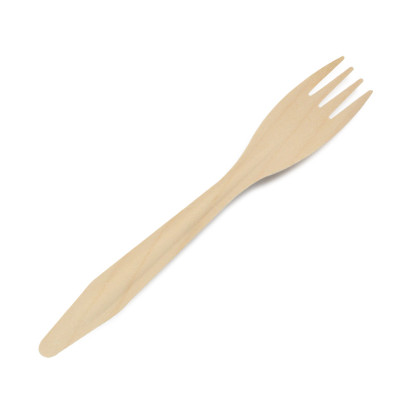
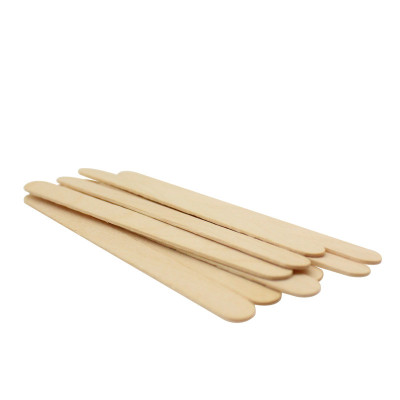
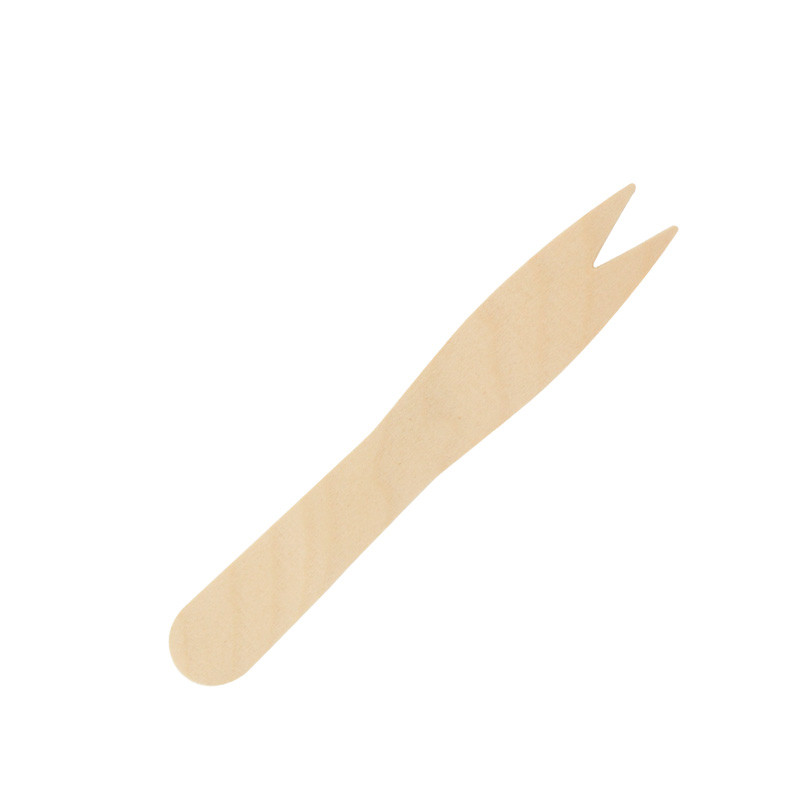
At Leafyest, we believe that true elegance and functionality stem from an unwavering commitment to quality at every stage of production. Our wooden fruit forks are not merely utensils; they are a testament to sustainable craftsmanship, meticulous design, and an intricate manufacturing process that transforms humble timber into a sophisticated dining accessory. We invite you to delve into the comprehensive journey of a Leafyest wooden fruit fork, from its genesis as raw material to its culmination as a finished product ready to enhance your culinary experience. Our dedication ensures each fork embodies durability, aesthetic appeal, and an uncompromising respect for our planet. The journey of every Leafyest wooden fruit fork begins long before any wood is shaped. It commences with a scrupulous and highly selective process of sourcing sustainable timber. We understand that the integrity of our finished product is inextricably linked to the quality and origin of our raw materials. This initial phase is paramount, dictating not only the aesthetic appeal and structural strength of the forks but also our environmental footprint. We exclusively partner with suppliers who adhere to stringent ethical and environmental standards. Our timber is harvested from sustainably managed forests, often bearing certifications such as the Forest Stewardship Council (FSC) or the Programme for the Endorsement of Forest Certification (PEFC). These certifications provide an auditable chain of custody, assuring us and our customers that the wood originates from responsibly managed woodlands where biodiversity is protected, and local communities are respected. This commitment ensures that for every tree harvested, another is planted, fostering ecological balance and long-term forest health. Our proactive approach to ethical sourcing safeguards against deforestation and illegal logging, reinforcing Leafyest's dedication to eco-conscious practices. The choice of wood species is critical for wooden fruit fork manufacturing. We meticulously evaluate various hardwoods for their inherent properties that contribute to the optimal performance of a fruit fork. Ideal characteristics include high density for strength and resistance to breakage, a fine grain for a smooth finish and resistance to splintering, and natural oils that provide a degree of water resistance and antimicrobial properties. Commonly favored species include birch, maple, and bamboo, each offering a unique balance of these attributes. Birch, for instance, is renowned for its light color, smooth texture, and impressive durability, making it an excellent candidate for fine cutlery. Maple provides exceptional hardness and a lustrous finish. Bamboo, while technically a grass, is celebrated for its rapid renewability, strength-to-weight ratio, and naturally antibacterial qualities. Our selection process involves rigorous testing to ensure the chosen timber will not impart any taste or odor to food, is food-safe, and capable of withstanding repeated use without compromising its structural integrity or aesthetic appeal. Once the sustainably sourced timber arrives at our facilities, it undergoes a series of precision preparatory steps designed to transform raw logs into stable, uniform blanks. This phase is crucial for ensuring consistency in the final product and minimizing waste. Any imperfections or inconsistencies introduced at this stage can propagate through the entire manufacturing process, affecting the quality and performance of the Leafyest wooden fruit forks. The first mechanical operation involves the debarking of the logs. This process removes the outer layer of bark, which can harbor impurities, insects, and moisture, thereby preparing the wood for subsequent cutting stages. Debarking is performed carefully to avoid damaging the underlying wood fibers. Following debarking, the logs are transported to precision sawmills. Here, skilled technicians and advanced machinery collaborate to saw the logs into manageable sections and then into lumber of specific dimensions, often referred to as planks or billets. This initial sawing is not merely about size reduction; it’s about strategic cutting to maximize yield from each log while meticulously identifying and removing any natural defects such as knots, cracks, or sapwood that could compromise the integrity of the future forks. Optimal grain orientation is also considered during this phase to enhance the structural strength and aesthetic flow of the final product. Perhaps one of the most critical preparatory steps is the wood drying process. Freshly cut timber contains a significant amount of moisture, which, if not properly managed, can lead to warping, cracking, shrinking, or swelling in the finished product. We employ highly controlled kiln-drying methods to reduce the wood’s moisture content to an optimal equilibrium. This process involves carefully regulating temperature, humidity, and airflow over an extended period. The controlled environment ensures uniform drying, minimizing internal stresses within the wood that could later manifest as deformities. Kiln drying not only stabilizes the wood, making it less susceptible to environmental changes, but also enhances its strength, makes it more receptive to subsequent machining, and inhibits the growth of mold or fungi. This meticulous drying process is fundamental to the durability and long-term stability of every Leafyest wooden fruit fork. With the timber meticulously prepared and stabilized, the wood enters the transformative phase where it begins to take the distinct form of a fruit fork. This stage combines advanced technology with careful attention to detail, ensuring both precision and aesthetic appeal. The dried wood planks are first cut into smaller blocks or strips, sized appropriately for individual forks. These blanks then proceed to the shaping machinery. For high-volume production, we utilize highly efficient die-pressing machines or advanced Computer Numerical Control (CNC) milling equipment. Die-pressing involves a specialized die, crafted to the precise dimensions and curvature of the Leafyest fruit fork, pressing down onto the wood blanks to stamp out multiple fork shapes simultaneously. This method is incredibly fast and ensures exceptional uniformity across large batches. Alternatively, our sophisticated CNC milling machines employ rotary cutting tools guided by digital designs. This allows for intricate detailing and highly precise shaping, especially for custom designs or more complex ergonomic features. Both methods are calibrated to minimize material waste and produce perfectly consistent fork bodies, each mirroring the precise specifications of our design blueprints. Creating the tines, or teeth, of the fruit fork is a particularly delicate and critical aspect of the shaping process. These need to be perfectly spaced, sharp enough to pierce fruit easily, yet smooth enough not to scratch or damage the mouth. Specialized cutting tools, often laser-guided or fine-blade saws, are employed to precisely cut the individual tines into the shaped fork body. The angle and depth of these cuts are meticulously controlled to achieve optimal functionality. Following the initial cut, the tips and edges of the tines undergo a preliminary sanding and deburring process. This crucial step removes any residual splinters or rough edges, ensuring that the tines are smooth to the touch and safe for use, a hallmark of Leafyest's commitment to user comfort and safety. Once the basic shape and tines are formed, each wooden fruit fork undergoes an initial sanding phase. This step is vital for removing any machine marks, minor imperfections, or rough patches that may have resulted from the cutting processes. We employ multi-head sanding machines equipped with progressively finer grit abrasive belts. The forks are carefully fed through these machines, ensuring that all surfaces—the handle, the neck, and the fork head—receive uniform treatment. This initial sanding establishes a consistent base texture, smoothing out the contours and preparing the wood for the subsequent, more detailed finishing stages. The goal at this point is to achieve a uniformly smooth surface that is free from any major irregularities, laying the groundwork for the exquisite feel characteristic of Leafyest products. The transformation of a raw wood shape into a premium Leafyest wooden fruit fork culminates in the refinement and finishing stages. This is where meticulous handcraftsmanship converges with advanced finishing techniques to impart the characteristic smoothness, durability, and natural beauty that our brand represents. Following the initial sanding, our wooden fruit forks enter a multi-stage fine sanding process. This critical phase involves progressively finer grits of sandpaper, often starting with medium grits and advancing to extra-fine and even ultra-fine grades. This meticulous, iterative process is often performed by skilled artisans who inspect each fork by hand, feeling for the slightest imperfections. Robotic sanding arms, programmed with extreme precision, may also be employed for consistency in areas of complex curvature. The aim is to eliminate all remaining surface irregularities, creating an incredibly smooth, almost silky texture that is a pleasure to hold and use. Every curve, every edge, and every surface is brought to an impeccable finish, ensuring that the fork feels supremely comfortable in the hand and glides effortlessly through fruit without catching or snagging. This level of smoothness is not just about aesthetics; it significantly enhances the user experience and contributes to the overall perceived quality of a Leafyest product. With the wood perfectly smooth, the forks are ready for their protective and enhancing finish. We opt for food-safe, natural oil treatments, typically derived from flaxseed, tung, or beeswax blends. These oils are applied meticulously, often in multiple coats, allowing the wood fibers to absorb them thoroughly. The oil penetrates deep into the wood, providing a natural barrier against moisture, preventing drying out, and enhancing the wood's inherent grain patterns and color. Unlike synthetic lacquers that merely sit on the surface, natural oils nourish the wood from within, making the forks more durable, resistant to stains, and imparting a warm, inviting luster. After the oil has fully cured, each fork undergoes a final polishing stage. This involves buffing the surface with soft cloths or specialized polishing wheels to achieve a subtle sheen that highlights the natural beauty of the wood without appearing artificial. This natural finish makes the Leafyest wooden fruit forks not only beautiful but also truly eco-friendly and biodegradable, aligning perfectly with our sustainable ethos. At Leafyest, quality control is not an afterthought; it is an integrated and continuous part of our entire manufacturing process. Before any wooden fruit fork is deemed complete, it undergoes a final, comprehensive inspection. Our quality assurance team scrutinizes each fork against a stringent set of criteria. This includes visual inspection for any surface defects, blemishes, or inconsistencies in finish. We check for proper tine formation, ensuring sharpness, spacing, and smoothness. Dimensional accuracy is verified to ensure each fork meets our precise specifications for length, width, and thickness. The ergonomics are assessed for comfortable handling, and a tactile examination confirms the signature Leafyest smoothness. Any fork that does not meet our rigorous standards for aesthetic perfection, structural integrity, or functional performance is set aside. This uncompromising dedication to quality at the final stage ensures that only the finest Leafyest wooden fruit forks reach our customers, upholding our reputation for unparalleled excellence and reliability. The journey of a Leafyest wooden fruit fork culminates in its careful packaging and efficient distribution. This final stage is crucial for protecting the finished product and ensuring it arrives safely, while also reflecting our brand's commitment to sustainability and customer satisfaction. Our commitment to environmental responsibility extends seamlessly to our packaging choices. We understand that the environmental impact of a product doesn't end when it leaves our manufacturing facility. Therefore, we utilize eco-conscious packaging materials that are either recycled, recyclable, or compostable. Our individual fork sleeves, if used, are typically crafted from unbleached paper or plant-based films. Larger bulk packaging often consists of corrugated cardboard, which is widely recyclable and made from renewable resources. We minimize the use of plastics and strive for minimalistic designs that reduce material consumption without compromising product protection. The packaging is not just a protective layer; it's an extension of the Leafyest brand identity, clearly communicating our values of sustainability and natural elegance even before the product is unveiled. We design our packaging to be sturdy enough to withstand transit while remaining light, further reducing our carbon footprint during shipping. Once meticulously packaged, our wooden fruit forks are prepared for distribution to customers and retailers worldwide. We employ a robust logistics network, optimizing shipping routes and methods to ensure timely and efficient delivery while minimizing environmental impact. Our distribution partners are carefully selected for their commitment to responsible practices and their ability to handle our products with the care they deserve. Whether destined for a boutique homeware store, a restaurant supply chain, or directly to an individual consumer, each shipment is handled with precision. We pride ourselves on the reliability of our supply chain, ensuring that the superior quality and sustainable promise of Leafyest wooden fruit forks can be enjoyed by discerning individuals across the globe, bringing a touch of natural sophistication to every table. The intricate wooden fruit fork manufacturing process at Leafyest is a testament to our profound dedication to crafting not just utensils, but sustainable pieces of art that enhance the everyday. From the painstaking selection of ethically sourced timber to the meticulous multi-stage sanding and the final application of natural oils, every step in the journey of a Leafyest wooden fruit fork is imbued with purpose, precision, and an unwavering commitment to quality. We believe that true luxury lies in thoughtful design, durable materials, and a process that respects both the environment and the end-user. Our comprehensive approach ensures that each fork you hold is a harmonious blend of functionality, aesthetic grace, and environmental responsibility. Choosing Leafyest means choosing a product forged through a passion for excellence, designed to provide a superior dining experience, and built to last, reflecting the timeless beauty of nature's finest resources. We invite you to experience the Leafyest difference, a culmination of craftsmanship refined from raw material to a cherished finished product. To explore our full range of sustainable tableware or to discuss your requirements, our team is ready to help — and for more insights, visit our blog or request a quote today.Wooden Fruit Fork Manufacturing Process: From Raw Material to Finished Product – The Leafyest Standard of Excellence
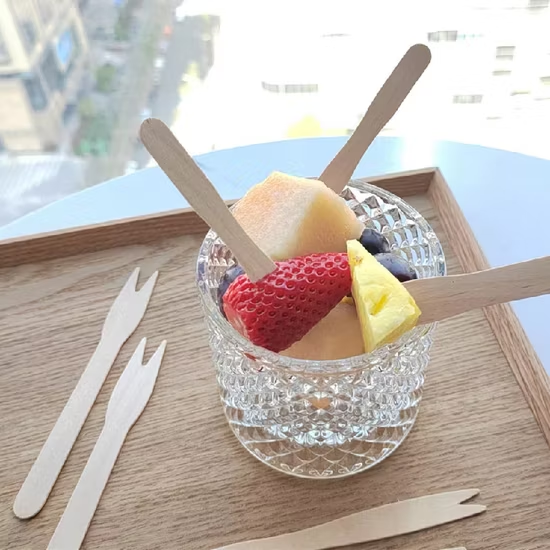
Sourcing Sustainable Timber: The Foundation of Leafyest Quality and Ethos
Ethical Sourcing and Certifications: A Commitment Beyond Compliance
Selecting the Ideal Wood Species for Durability, Safety, and Aesthetics
Precision Preparation: Transforming Raw Logs into Workable Blanks
Debarking and Initial Sawing: Maximizing Yield and Minimizing Flaws
Strategic Wood Drying: Preventing Warping and Cracking for Longevity
The Art of Shaping: From Blocks to Beautiful, Functional Forks
Automated Precision Cutting: Die-Pressing and CNC Milling for Uniformity
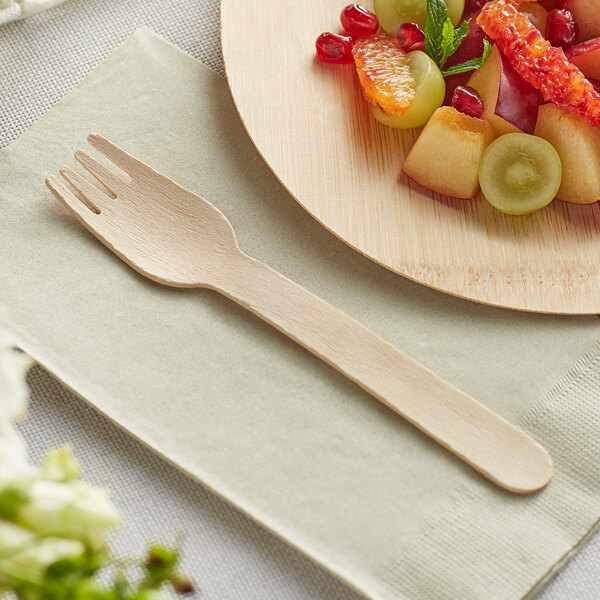
The Delicate Art of Fork Tooth Formation: Ensuring Functionality and Smoothness
Initial Sanding and Smoothing: Preparing for Refinement and Flawless Finish
Refinement and Finishing: Elevating Functionality and Form to Leafyest Standards
Multi-Stage Fine Sanding for Unparalleled Smoothness and Ergonomics
Natural Oil Treatment and Polishing: Enhancing Durability and Luster
Rigorous Quality Control: Ensuring Every Fork Meets Leafyest Standards of Excellence
Packaging and Distribution: Presenting the Leafyest Promise to the World
Eco-Conscious Packaging: A Reflection of Our Values
Global Distribution: Bringing Leafyest Quality to Your Table
Conclusion: The Enduring Craftsmanship of Leafyest Wooden Fruit Forks